Open Source on the Battlefield

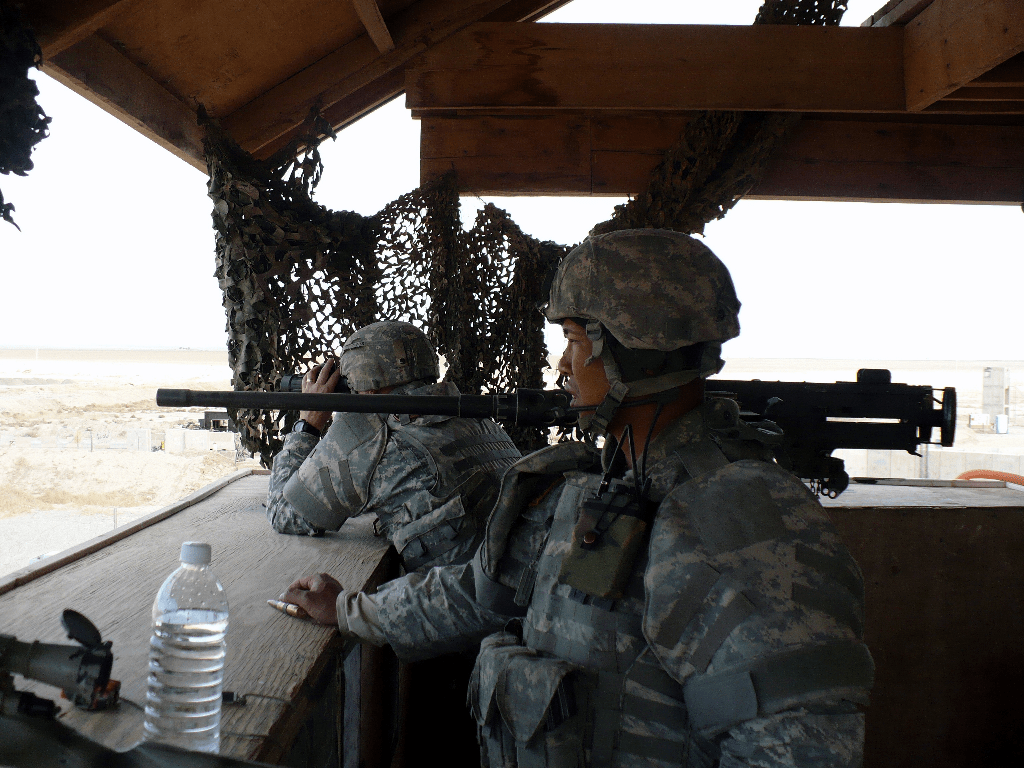
In Iraq, Sergeant 1st Class Martin Stadtler had nothing. He was stationed near Mosul, at a base that covers 24 square kilometers. Surrounding the base was a wall, and at intervals along that wall stood watchtowers. Those towers were improvised; they were large concrete water pipes, stood on their ends. Inside each tower is a pair of soldiers. They're watching for insurgents. To communicate with the home base, they had standard-issue tactical radios. Unfortunately, these radios couldn't reach home base -- the base was too big. Soldiers had to play a game of Telephone to reach the base: one tower radios the next until they are finally in range of the home base. Obviously, this would not do.

The Navy’s Standardization Problem

Using open source software, the US Navy was able to standardize the shipboard systems on its new destroyers, reducing the complexity of the ship's systems and their reliance on proprietary real-time software. Wall Street now uses this same technology to execute orders predictably, without relying on vendor-specific hardware and software. Every ship in the Navy … Continue reading The Navy’s Standardization Problem